

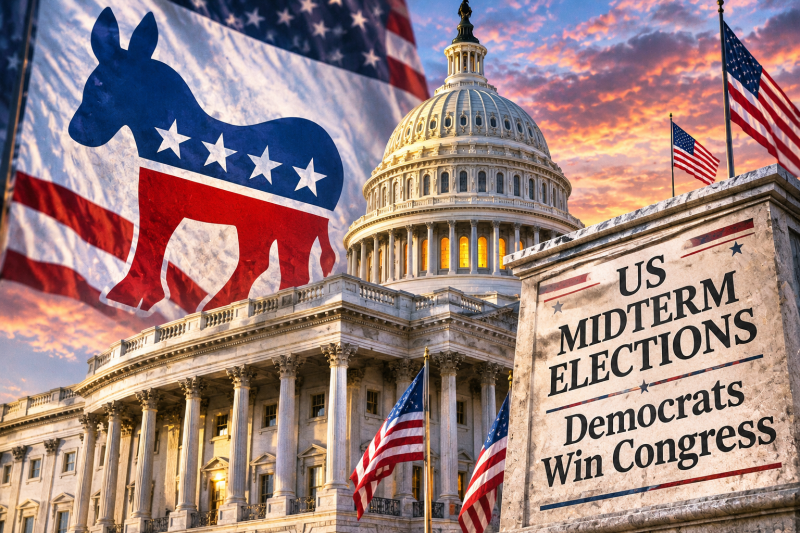
Democrats Take Control of Congress: What It Means for Trump, Europe and the Iran War
UK Politics & International Affairs | 4th November 2026
The Democratic Party has secured control of both chambers of the US Congress following a decisive midterm election victory, delivering a significant political setback to President Donald Trump and raising questions about America's future international policies.
Democrats captured Republican-held Senate seats in states including Texas, Kansas and South Carolina, with voter dissatisfaction over living costs, government policy and the ongoing Iran war contributing to the result.
The new Congress, taking office in January 2027, will have greater authority to challenge Trump's legislative agenda, investigate his administration and scrutinise government expenditure.
Iran War Faces Congressional Opposition
The most immediate international implications concern America's military conflict with Iran.
Democratic Senate leader Chuck Schumer has pledged to end the war, arguing that Congress can use its constitutional control over federal spending to challenge continued military operations.
Vice President JD Vance acknowledged that the conflict contributed to Republican election losses, while Trump defended the military campaign despite recognising its political consequences.
Although Democrats could pursue funding restrictions and war-powers legislation, Trump retains considerable authority as commander-in-chief. An immediate end to the conflict is therefore far from guaranteed.
What Changes for Britain and Europe?
For Britain, the election could influence future cooperation with Washington on defence, intelligence and Middle Eastern security.
A Democratic-controlled Congress may increase scrutiny of American military commitments, potentially affecting decisions involving British and European allies.
European governments could also find greater congressional support for NATO cooperation, assistance to Ukraine and a more coordinated approach towards Russia.
However, Trump will continue directing American foreign policy, meaning disagreements between Congress and the White House could complicate rather than immediately transform transatlantic relations.
Israel, Palestine and the Middle East
American military assistance to Israel and diplomatic policy towards Palestine could face increased congressional examination.
Democrats remain divided over aspects of Middle Eastern policy, although their new majority provides greater opportunities to investigate arms transfers, military spending and regional security decisions.
A Turning Point for Washington
The election has fundamentally altered the balance of power in Washington, ending Republican control of Congress.
For Britain and Europe, the consequences will depend on whether the new congressional majority can influence Trump's international decisions.
The most pressing question is whether Democratic opposition to the Iran war can translate into meaningful restrictions on American military operations or renewed diplomatic efforts.