

Technology & Cybersecurity | 27th November 2026
The European Commission has placed open-source technology at the centre of its strategy to strengthen Europe's digital independence and reduce reliance on foreign proprietary software.
Introduced in June as part of the EU's wider technology sovereignty package, the strategy supports European alternatives in operating systems, artificial intelligence, cloud computing, cybersecurity and digital communications.
The Commission wants public administrations to adopt more open-source software, introducing procurement guidelines to improve opportunities for independent developers and European technology companies.
The strategy also supports alternatives to established proprietary workplace software, cloud storage, secure email and social media platforms.
Unlike closed-source software, open-source technology allows developers to examine, modify and redistribute code under applicable licensing conditions. This can give organisations greater control over their infrastructure and reduce dependence on individual suppliers.
The Commission also intends to address funding shortages, software maintenance and cybersecurity through dedicated support mechanisms.
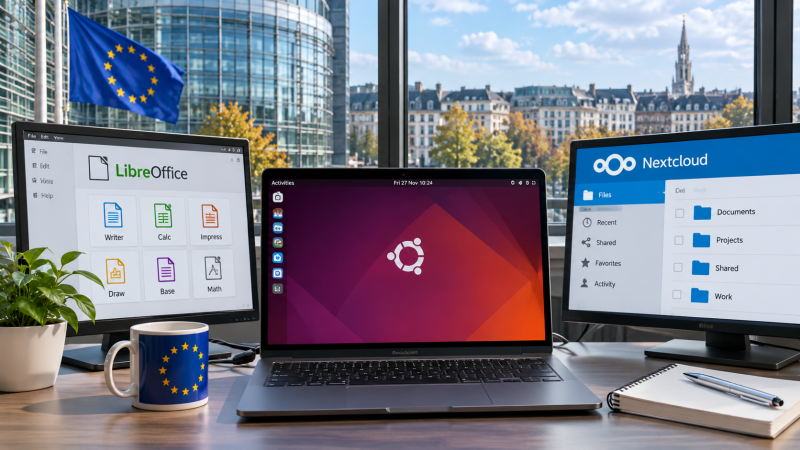
European projects such as LibreOffice, Nextcloud and Germany's openDesk already demonstrate how organisations can operate without relying entirely on American technology providers.
While Britain is outside the European Union, its established open-source industry could offer opportunities for closer cooperation through the planned UK–EU Digital Partnership.
The strategy represents a broader shift towards greater European control over the technology underpinning public services, businesses and everyday digital life.