

General News & Current Affairs | 24th November 2026
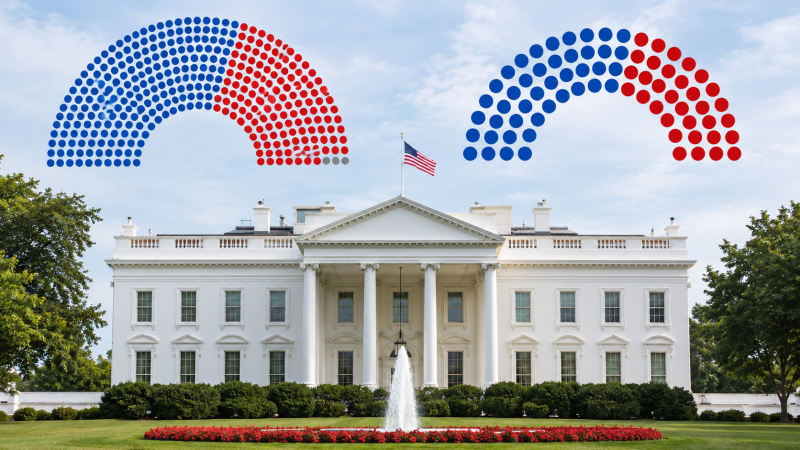
The Democratic Party will officially regain control of both chambers of the United States Congress at 5 pm UK time on Sunday, 3rd January 2027, following November's midterm elections.
The change marks a significant shift in American political power, with implications for domestic policy, international relations and global security.
The incoming Congress is preparing a programme of legislative reform and investigations into President Donald Trump's administration, with healthcare affordability, the cost of living, government accountability and corporate misconduct among its priorities.
Democratic control of congressional committees will provide lawmakers with greater powers to demand government documents, subpoena witnesses, scrutinise federal expenditure and investigate potential abuses of executive authority.
Robert Garcia, who is expected to chair the House Oversight Committee, has outlined plans to investigate Elon Musk's involvement in the Department of Government Efficiency (DOGE), the Trump family's business dealings, immigration enforcement practices and the administration's handling of the Jeffrey Epstein files.
Senator Elizabeth Warren has also outlined plans to investigate potential corporate misconduct.
The White House has characterised the planned investigations as politically motivated. The inquiries themselves do not establish criminal wrongdoing.
For the American public, the change in congressional leadership could bring renewed efforts to reduce healthcare costs, protect consumer rights, address rising living costs and strengthen safeguards against conflicts of interest within government. Greater scrutiny of presidential appointments, federal contracts and public spending could also improve transparency and political accountability.
The international implications could be equally significant, particularly for Britain, Europe, Canada and other longstanding American allies.
Democratic lawmakers could challenge Trump's tariff policies and seek to rebuild international partnerships. Greater congressional support for NATO could provide additional reassurance to European nations facing continued Russian aggression, while creating opportunities for closer economic, technological and defence cooperation.
The change could also prove particularly significant for Ukraine, with opportunities to renew military and financial assistance to Kyiv and strengthen sanctions against Russia. Support for Ukraine also extends to sections of the Republican Party, creating opportunities for bipartisan legislation.
The ongoing war with Iran is another major issue facing the incoming Congress.
Democrats could use legislative and financial powers to restrict further military operations, demand congressional authorisation and increase pressure on the administration to pursue a diplomatic resolution.
An end to the conflict could help stabilise international energy markets, reduce inflationary pressures and ease fuel costs for households and businesses in Britain, America and elsewhere.
Although Trump will retain presidential veto powers and considerable authority over foreign policy until January 2029, Democratic control of both chambers will substantially alter the balance of power in Washington. Overriding a presidential veto will still require a two-thirds majority in both chambers.
The opening of the 120th Congress represents an opportunity to strengthen government accountability, address domestic economic pressures and rebuild relationships with America's traditional allies. How much of that agenda can be achieved will depend on bipartisan cooperation, legislative negotiations and the administration's response.