

Technology & Cybersecurity | 23rd November 2026
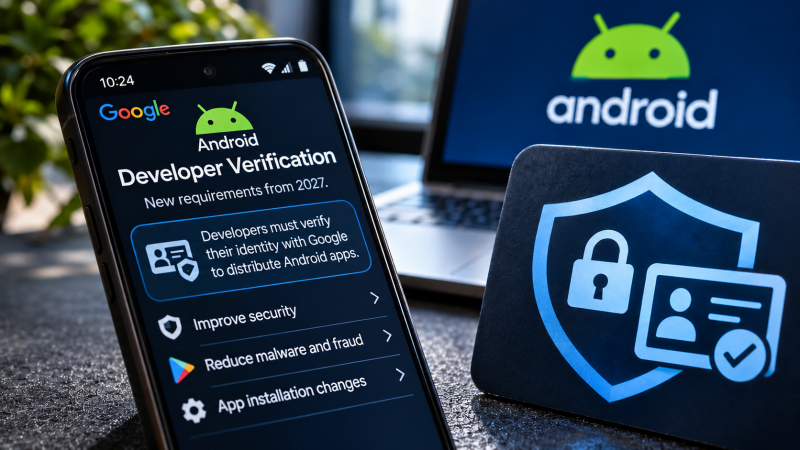
Google's plans to introduce mandatory developer verification on certified Android devices have raised concerns about the future of independent app stores, including F-Droid.
The requirements, scheduled for wider implementation in 2027, will make it more difficult to install applications from developers who have not registered with Google.
The company says the changes are intended to combat malware and fraud, particularly applications distributed outside its Play Store.
However, open-source advocates warn that the policy could discourage independent developers and weaken Android's traditionally open software ecosystem.
F-Droid provides free and open-source Android applications without requiring users to rely on Google's Play Store.
Many applications are developed by volunteers, some of whom distribute their software anonymously or under pseudonyms.
Under Google's proposed verification system, developers wishing to distribute applications for straightforward installation on certified Android devices would need to register with the company.
Critics argue that this could discourage smaller developers and reduce the number of applications available through independent repositories.
Following criticism, Google has introduced an alternative installation process for applications from unverified developers.
The revised approach is intended to preserve sideloading while introducing additional security checks and warnings.
However, the extra steps could make independent application installation less accessible to ordinary users.
Google has also introduced exemptions for limited distribution, allowing smaller developers to share applications with a restricted number of users.
The changes have also renewed interest in alternative Android operating systems, including Europe's /e/OS.
Developed independently of Google's commercial Android services, /e/OS offers users greater control over their devices and personal information.
Google's verification requirements primarily concern certified Android devices and do not automatically extend to every operating system based on the Android Open Source Project.
Nevertheless, restrictions within the wider Android ecosystem could have consequences for independent developers and application distribution.
Google maintains that developer verification will improve security and help prevent malicious applications from reaching Android users.
Opponents argue that security improvements should not require developers to surrender their independence or users to depend on Google's approval.
With implementation approaching, the dispute raises a broader question about the future of Android: whether users should retain the freedom to install software from sources of their choosing.
Sources: Google Android Developers, F-Droid, Keep Android Open.